
Table of Contents
- Cost Savings Through Waste Reduction
- Enhancing Brand Image and Customer Loyalty
- Compliance with Environmental Regulations
- Employee Engagement and Morale
- Leveraging Technology for Efficient Waste Management
- Contributing to Community and Public Health
- Adopting a Circular Economy Approach
- Implementing Waste Audits and Tracking Systems
- Conclusion
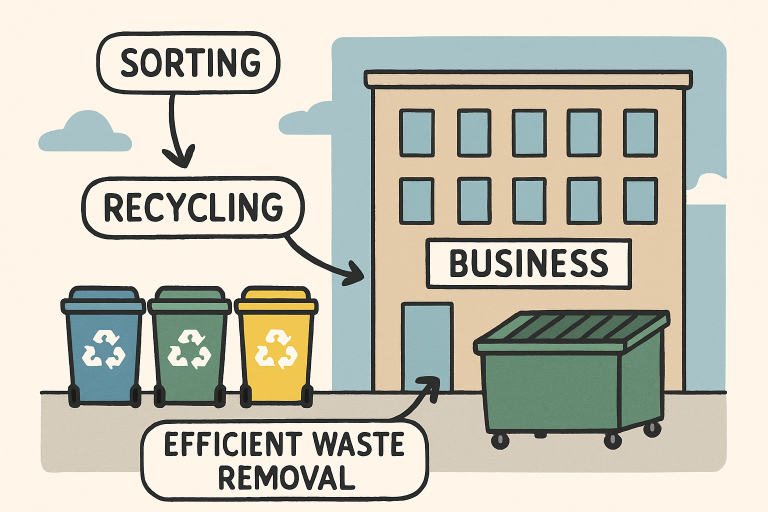
Efficient waste management is increasingly recognized not only as an environmental necessity but also as a cornerstone of successful business operations. By focusing on strategies such as responsible recycling, material reuse, and innovative disposal methods, modern companies can improve their bottom line and maintain a competitive edge. Businesses can start by considering solutions such as commercial dumpster rental to streamline waste removal and recycling, ensuring efficiency and compliance from the outset.
Embracing smarter waste practices helps organizations reduce unnecessary expenses, improve customer satisfaction, and avoid legal pitfalls. Additionally, forward-thinking businesses that invest in sustainability enjoy a stronger reputation and are better prepared to meet evolving regulatory requirements. With growing public awareness about environmental issues, adopting efficient waste management is quickly becoming a standard expectation for companies of all sizes.
Beyond environmental responsibility, well-implemented waste management systems drive employee engagement and operational transparency. Companies that make a conscious effort to minimize their ecological footprint are not only more attractive to potential hires but also foster a sense of pride and loyalty among their workforce, contributing to overall organizational health and productivity.
Modern waste management extends beyond the traditional scope of trash removal; it also encompasses comprehensive approaches to resource recovery and public health protection. By leveraging services such as junk removal, companies can keep their premises tidy, safeguard community well-being, and reduce their contribution to landfill buildup.
Cost Savings Through Waste Reduction
One of the most significant business benefits of efficient waste management is the reduction of operational expenses. By minimizing waste at the source, companies save on the purchase of new materials and on waste-disposal fees. Recycling and reuse programs, for instance, allow materials such as paper, cardboard, plastics, and metals to be diverted from landfills, offsetting procurement costs and reducing the need for costly removal services. Businesses are also less likely to incur fines related to overflowing dumpsters or improper disposal practices, a common challenge for those without a clear waste management strategy.
Enhancing Brand Image and Customer Loyalty
Today’s consumers are more discerning about the brands they support, prioritizing companies that demonstrate a genuine commitment to environmental and social issues. Sustainable waste management practices send a powerful message about corporate responsibility, earning greater customer trust and differentiating brands in a crowded marketplace. According to a McKinsey report, consumer demand for sustainable business practices continues to grow, with buyers seeking products and services from environmentally responsible businesses. This ongoing trend helps convert first-time buyers into repeat customers who value ethical business operations.
Compliance with Environmental Regulations
Strict local, state, and federal regulations govern waste disposal, especially for hazardous or industrial byproducts. A robust waste management system ensures that businesses comply with these evolving rules, reducing their risk of penalties, operational disruptions, and reputational harm. Proactive compliance not only safeguards against costly legal consequences but can open doors for funding opportunities, certifications, and partnerships that reward eco-friendly practices.
Employee Engagement and Morale
Companies committed to sustainability often find it easier to attract and retain talented employees. Engaging staff in recycling initiatives or sustainability committees gives them a sense of purpose and pride in their workplace culture. Regular sustainability training programs and recognition for eco-friendly behavior further boost morale and drive productivity, resulting in a more cohesive, motivated workforce. Studies from EY show that organizations with strong environmental programs experience lower turnover rates and higher employee satisfaction.
Leveraging Technology for Efficient Waste Management
Technological innovations such as waste-tracking software, bin sensors, and automated sorting systems help businesses identify key sources of waste and improve recycling rates. These tools enable real-time data collection, accurate reporting, and efficient scheduling of pickups and processing. Automation reduces human error, while advanced analytics guide decision-making, translating to measurable savings and increased organizational resilience.
Contributing to Community and Public Health
Responsible waste disposal protects both the immediate business environment and the surrounding community. By preventing hazardous waste and pollutants from entering local landfills, air, and waterways, businesses help ensure cleaner water, fresher air, and healthier neighborhoods. Initiatives such as community recycling events and educational programs also boost local engagement and demonstrate corporate citizenship, thereby reinforcing positive relationships with local stakeholders.
Adopting a Circular Economy Approach
Transitioning from the traditional “take-make-dispose” model to a circular economy framework empowers organizations to keep materials in use longer through repair, repurposing, and recycling. This approach conserves finite resources, generates new revenue streams from recovered materials, and positions businesses as leaders in the transition to a sustainable future. The circular model not only mitigates waste but also helps build resilient supply chains that can withstand market disruptions.
Implementing Waste Audits and Tracking Systems
Comprehensive waste audits yield valuable insights into usage patterns, inefficiencies, and opportunities for improvement. By utilizing tracking systems, businesses generate actionable data to refine waste management practices, set realistic reduction goals, and chart progress over time. These audits also aid in employee training and benchmarking, enabling ongoing accountability and adjustments as business needs evolve.
In conclusion, businesses that prioritize efficient waste management enjoy numerous competitive advantages: reduced costs, elevated brand value, legal compliance, and positive community impact. By embedding sustainable practices into their operations and leveraging technology and audit systems, companies can drive economic growth while helping protect the planet for future generations.
Conclusion
Efficient waste management is no longer a peripheral concern it is a strategic business imperative that drives long-term success. By reducing waste, embracing recycling and reuse, and leveraging modern technologies, businesses can significantly lower operational costs while strengthening brand reputation and regulatory compliance. These efforts not only improve environmental outcomes but also enhance employee morale, customer loyalty, and community trust.
As organizations face growing expectations from consumers, regulators, and stakeholders, adopting proactive waste management practices positions them for resilience and sustainable growth. Whether through waste audits, circular economy initiatives, or professional disposal services, thoughtful waste strategies create measurable value beyond environmental stewardship. Ultimately, businesses that integrate efficient waste management into their core operations are better equipped to thrive in a competitive marketplace while contributing meaningfully to a healthier, more sustainable future.