
Key Takeaways
- Collaborative divorce and mediation prioritize cooperation and mutual agreement rather than confrontation.
- Both processes tend to be more efficient and less expensive than going to court.
- Choosing between approaches depends on communication style, complexity of issues, and the preferences of those involved.
Divorce can often feel overwhelming, but there are alternatives that help couples separate in a less adversarial way. Increasingly, people are turning to options like divorce mediation to find a more amicable and manageable path forward. These approaches allow spouses to work together rather than against each other, aiming for outcomes that respect both parties’ needs.
When emotions run high during divorce, collaboration and mediation offer practical avenues for resolving disputes. These methods focus on constructive dialogue, guided by professionals trained in conflict resolution. They present an opportunity to maintain dignity and keep relationships, especially those involving children, intact.
Opting for mediation over litigation not only reduces stress but can also save significant time and money. These methods remain centered on partnership, even as the marriage ends. As more couples consider a collaborative approach, understanding the differences and benefits of these alternatives is critical.
In many cases, families also benefit from broader resources, such as family mediation, which can address disputes beyond those between spouses, including conflicts involving other family members. Exploring all options ensures a process that best fits each family’s unique needs.
Understanding Collaborative Divorce
Collaborative divorce is a structured process in which each spouse hires an attorney committed to achieving a settlement without resorting to court involvement. The process brings together legal, financial, and mental health professionals who act as a team. Everyone, including both spouses and their attorneys, agrees to focus on negotiation and to work toward a resolution that meets both parties’ core interests. If at any stage the collaborative process breaks down, the attorneys must withdraw, further emphasizing the commitment to find a viable agreement outside of litigation.
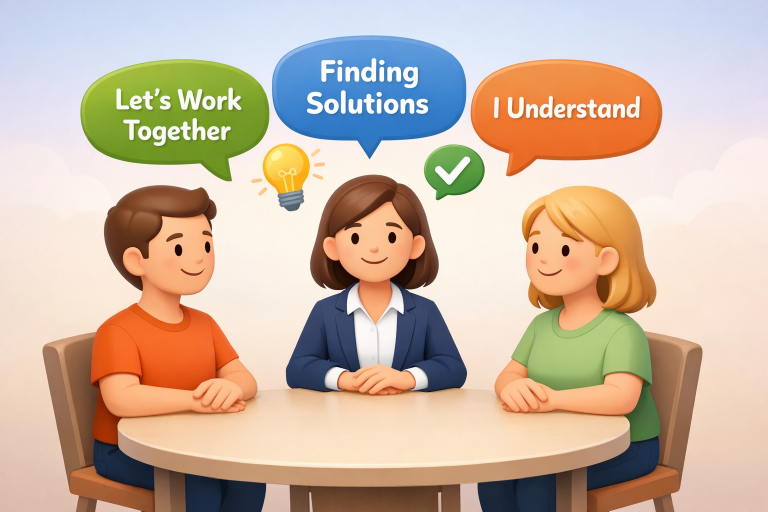
Unlike traditional litigation, collaborative divorce also often involves the open sharing of relevant documents and information, which helps expedite a fair resolution. Regular meetings are held, allowing both spouses to be active participants in resolving disputes over property, parenting, or finances. This teamwork-focused process often results in greater satisfaction for the participants because they control the outcome, rather than leaving it in the hands of a judge. Ongoing participation by neutral professionals can provide valuable perspectives on child development or financial planning, leading to more informed decisions throughout the process.
The Mediation Process
Mediation is a neutral conflict-resolution process facilitated by a trained mediator who fosters productive discussions without making decisions for the parties involved. Unlike collaborative divorce, mediation does not necessitate individual attorneys for each spouse, although legal counsel is often sought. The mediator helps each individual express their needs while fostering understanding of the other’s viewpoint, thereby guiding the parties towards common ground and the formulation of their own agreement.
Sessions are flexible in scheduling, accommodating the personal commitments of both parties, and the confidential nature of mediation allows for open discussion of sensitive issues. The agreements reached are documented and can become legally binding once approved by a court. In situations involving children, mediators assist parents in formulating custody arrangements and parenting plans, with a strong emphasis on the children’s best interests. This adaptable, cooperative approach positions mediation as an effective method for addressing complex familial disputes.
Comparing Costs and Timeframes
Financial factors play a crucial role in the choice between mediation and litigation in divorce cases. Mediation typically costs between $3,000 and $10,000, while collaborative divorce can be pricier but is usually cheaper than trial litigation, which can range into the tens of thousands of dollars and can last for years due to court complexities. The New York Times highlights mediation’s efficiency in minimizing disruption to families’ daily lives and finances. Additionally, alternative dispute resolution methods such as mediation and collaborative divorce generally result in less emotional distress and fewer conflicts, thereby promoting transparency and cooperation. This leads to quicker resolutions and healthier personal and financial outcomes for the parties involved, reducing delays compared to traditional court proceedings.
Benefits of Collaborative Approaches
Choosing collaboration or mediation means prioritizing respectful communication and cooperation from the start. These approaches limit adversarial interactions and often result in more satisfactory agreements for both parties. This is particularly valuable for families with children, as it preserves a working relationship between parents and establishes a blueprint for future interactions concerning co-parenting or other shared responsibilities. Less hostility typically translates to less emotional harm for everyone involved, including children. The Psychology Today Divorce Guide also notes that cooperative methods offer greater space for creative solutions tailored to unique family situations.
Another important benefit is that collaborative approaches encourage self-determination and respect each spouse’s autonomy more than traditional litigation. When parties craft their own settlement, they are more likely to adhere to the agreed terms, reducing the risk of future disputes or court action. Additionally, by modeling effective conflict resolution during divorce, parents can set a positive example for their children, teaching problem-solving and compromise even in difficult situations.
Choosing the Right Path
Deciding on the appropriate process for a divorcing couple involves evaluating various factors such as communication levels, financial complexity, custody arrangements, and willingness to compromise. Couples with strong communication may find mediation beneficial, while those who need more legal structure may prefer a collaborative approach. Enlisting professionals experienced in both methods can help identify the best path forward for individual circumstances.
Additionally, it’s crucial to recognize that some situations may not be suitable for mediation or collaboration, particularly those involving domestic violence, coercive control, or significant power imbalances, where traditional court interventions might be necessary to ensure fairness and protection. However, even in these cases, elements of collaborative approaches, such as open disclosure and neutral experts, can facilitate the safe resolution of specific disputes.
Real-Life Success Stories
Real-world outcomes highlight the benefits of collaborative resolutions, particularly in divorce mediation. Cleveland has observed a 40% increase in couples opting for mediation over litigation, reflecting a nationwide shift towards more constructive dispute-resolution methods. Families typically express greater satisfaction with collaboratively achieved outcomes, as these foster healthier, more positive long-term relationships than court-imposed decisions. Various community mediation programs have successfully assisted numerous couples in resolving their issues efficiently and without courtroom stress. These experiences illustrate that, under appropriate guidance, families can enter new life phases with greater understanding and goodwill. Participants often feel empowered and respected, which is crucial for laying a foundation for effective co-parenting and ongoing cooperation.
Conclusion
Although divorce is inevitably challenging, approaches that emphasize collaboration and mediation offer realistic, healthier alternatives to litigation. By emphasizing cooperation, communication, and mutual respect, divorcing couples can minimize conflict, manage costs, and cultivate outcomes that support all parties’ long-term success and well-being.