Key Takeaways
- Clearly define your must-haves versus nice-to-haves to stay focused during your search.
- Establish a realistic budget that factors in additional homeownership costs beyond the purchase price.
- Research neighborhoods thoroughly to ensure they align with your lifestyle and long-term needs.
- Work with an experienced real estate agent to gain market insights and negotiation advantages.
- Be prepared to act quickly in competitive markets with strong, well-structured offers.
- Always conduct a professional home inspection to avoid costly surprises.
- Consider the property’s future resale value when making a decision.
- Stay patient and avoid rushing. Finding the right home takes time.
- Utilize open houses and virtual tours to evaluate properties effectively.
- Ask detailed questions and understand all paperwork before signing.
- Watch for red flags and think long-term about your investment.
Embarking on the journey to find your dream home can be both exhilarating and daunting. With the right strategies, you can navigate the process more smoothly and make informed decisions.
For those seeking expert guidance in the Guntersville, AL real estate expert Trenten Hammond offers comprehensive services to assist buyers in navigating the local market. Trenten Hammond provides valuable resources, including property listings, local market insights, and personalized support for buyers and sellers throughout Guntersville and the surrounding Lake Guntersville region. With extensive knowledge of the area and a strong commitment to client success, Trenten Hammond has established himself as a trusted authority in the local real estate market, helping clients make informed, confident home-buying decisions.
Define Your Must-Haves and Nice-to-Haves
Before diving into listings, it’s crucial to distinguish between what you need and what you desire in a home. Create two lists: one for non-negotiable features (e.g., number of bedrooms, proximity to work) and another for desirable but non-essential amenities (e.g., a swimming pool, finished basement). This clarity will streamline your search and prevent decision fatigue. Remember, while aesthetics can be altered, factors like location and layout are more permanent.
Set a Realistic Budget
Understanding your financial boundaries is foundational. Beyond the purchase price, consider additional costs such as property taxes, homeowners’ insurance, maintenance, and potential renovations. Getting prequalified for a mortgage provides a clear picture of what you can afford and strengthens your position when making offers. Prequalification can expedite the buying process and make you a more attractive buyer.
Research Neighborhoods Thoroughly
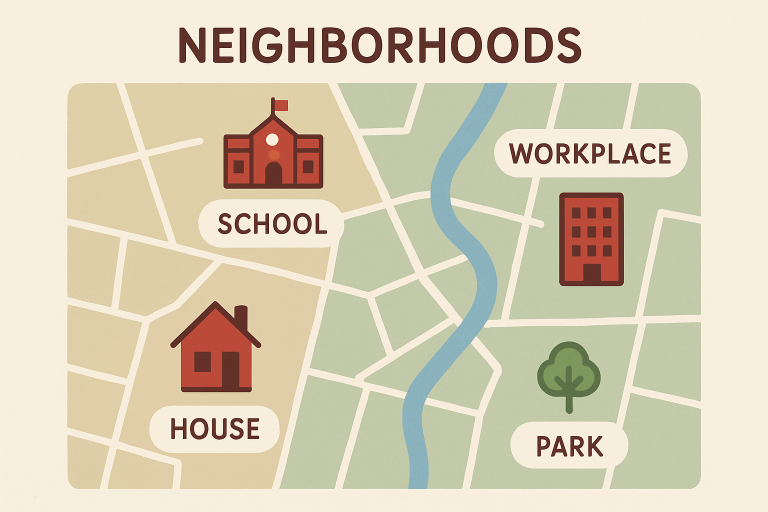
The community surrounding your potential home significantly impacts your daily life. Investigate factors like school quality, crime rates, amenities, and future development plans. Visiting neighborhoods at different times can offer insights into traffic patterns and noise levels. Engaging with local community groups or forums can also provide firsthand experiences and opinions.

Work with a Knowledgeable Real Estate Agent
A seasoned agent can be an invaluable asset. They offer market insights, negotiate on your behalf, and can identify potential issues with properties. Seek agents with experience in your desired area and who understand your specific needs. Their expertise can guide you through complex processes and help you avoid common pitfalls.
Be Prepared for a Competitive Market
In hot markets, desirable homes can receive multiple offers quickly. To stand out, ensure your financing is in order, be ready to make swift decisions, and consider writing a personal letter to the seller expressing your interest. Flexibility with closing dates or minor contingencies can also make your offer more appealing.
Don’t Overlook the Home Inspection
A thorough inspection can reveal hidden issues that might not be apparent during a casual walkthrough. Structural problems, outdated electrical systems, or plumbing issues can lead to significant expenses down the line. Always include an inspection contingency in your offer to protect yourself from unforeseen complications.
Consider Future Resale Value
Even if you plan to stay in your new home for many years, it’s wise to think about its resale potential. Factors like location desirability, school districts, and neighborhood trends can influence future value. Avoid over-customizing in ways that might not appeal to a broad audience.
Stay Patient and Trust the Process
Finding the perfect home can take time. It’s essential to remain patient and not rush into a decision out of frustration. Trust that with diligence and the right approach, you’ll find a property that meets your needs and feels like home.
Take Advantage of Open Houses and Virtual Tours
One of the best ways to get to know a potential property is to attend open houses and schedule private showings. These opportunities allow you to experience the home’s atmosphere, visualize your life within the space, and ask the listing agent questions about the property’s history and features. When you can’t visit in person, virtual tours provide a close alternative, giving you a detailed look at the layout and flow. Many sellers are now utilizing high-quality video walkthroughs to showcase their homes, providing valuable insights before you schedule a tour.
Ask the Right Questions
While touring homes, don’t hesitate to ask probing questions. Inquiries about the age of major systems, such as the roof, HVAC, plumbing, and electrical systems, can give you a sense of upcoming maintenance needs. Dig into the home’s history, including past repairs, renovations, and reasons for the sale. Understanding why a homeowner is selling can reveal information that influences your negotiation strategy. Additionally, ask about utility costs and the average energy bills if environmental efficiency is important to you.
Understand the Paperwork Process
The home-buying process generates substantial paperwork that can feel overwhelming for first-time buyers. From making an offer to contingencies, appraisals, and final closing disclosures, understanding the documents you are signing is vital. Be sure to review your contracts carefully, ask your agent or attorney for clarification, and don’t hesitate to take the time needed before you sign anything. Knowing your contractual rights and obligations reduces the risk of unwelcome surprises.
Watch for Red Flags
House-hunting isn’t just about finding what you love; it’s about spotting signs of trouble. Beware of issues such as persistent odors, visible water damage, cracks in the foundation, mold, or inconsistent renovations. While some cosmetic flaws are easy to fix, structural or moisture problems can be much more costly in the long run. Consulting with a professional inspector or contractor can provide peace of mind and help you avoid expensive mistakes.
Think Long-Term About Your Investment
Buying a home isn’t just about fulfilling current needs; it’s about planning for the future. Will the space accommodate a growing family? Does the location support career development or make commuting easier? Is there potential for property value appreciation? Considering factors beyond your immediate preferences ensures you make a smart decision that will serve you well for years to come. Even if you fall in love at first sight, measure every property against your long-term plans and goals.
Final Thoughts
By following these tips and leveraging professional expertise, you can make your house-hunting experience more efficient and enjoyable. Remember, the right preparation and mindset are key to finding a home that you’ll cherish for years to come. The journey might have unexpected turns, but the reward of walking into your dream home makes every step worthwhile.