Key Takeaways
- A simple plumbing calendar can help homeowners catch small problems before they become major repairs.
- Monthly checks should include sinks, toilets, faucets, supply lines, hoses, and the water meter.
- Seasonal tasks should account for outdoor fixtures, weather changes, exposed pipes, irrigation, and sump pumps.
- Water meter readings and changes in water bills can help identify possible hidden leaks.
- Water heaters, drains, toilets, and rarely used fixtures also need regular attention.
- Homeowners should know where the main water shutoff valve is and keep it accessible.
- Burst pipes, major leaks, sewer odors, widespread backups, and water near electrical equipment require prompt attention.
- Consistent maintenance can help reduce water waste, protect the home, and keep plumbing fixtures working reliably.
Home Plumbing works quietly until a drip, clog, or damaged supply line turns into an urgent problem. A simple maintenance calendar helps homeowners notice small changes early, protect finishes and belongings from water damage, and keep essential fixtures working reliably. For a general overview of household plumbing, it helps to think of maintenance as a series of short checks rather than one large annual project. The right routine will vary by home. Pipe age and material, local weather, water quality, appliance use, and whether the property has a basement, crawl space, irrigation system, or sump pump can all affect what deserves attention. Keep a note on your phone or calendar with the locations of shutoff valves, past repairs, fixture ages, and any recurring issues.
Why A Plumbing Calendar Helps
Water can travel far from its source, so a stain, warped floorboard, or musty smell may appear well after a leak begins. Regular visual checks make it easier to catch moisture, corrosion, loose connections, or unusual water use before the issue becomes more difficult to locate. A calendar also reduces guesswork. Instead of trying to remember every task, assign quick indoor checks to each month and weather-related tasks to the beginning or end of each season. If a leak, pressure change, or backup has no obvious cause, a qualified plumber can help identify the source and determine the appropriate repair.
Monthly Plumbing Checks
Set aside about 15 minutes each month for a basic walk-through. Start under kitchen and bathroom sinks, where cabinet floors, pipe joints, and shutoff valves may show dampness, staining, or mineral residue. Listen for dripping faucets and unexplained sounds of water moving when no fixture is in use.
- Check toilets for constant running, rocking, or moisture around the base.
- Inspect washing machine hoses for cracking, bulging, rust, or wet connections.
- Look at exposed supply lines behind toilets and beneath sinks.
- Make sure the main water shutoff valve remains accessible and is not blocked by storage.
- Review the water meter when all fixtures and water-using appliances are off.
Spring Plumbing Tasks
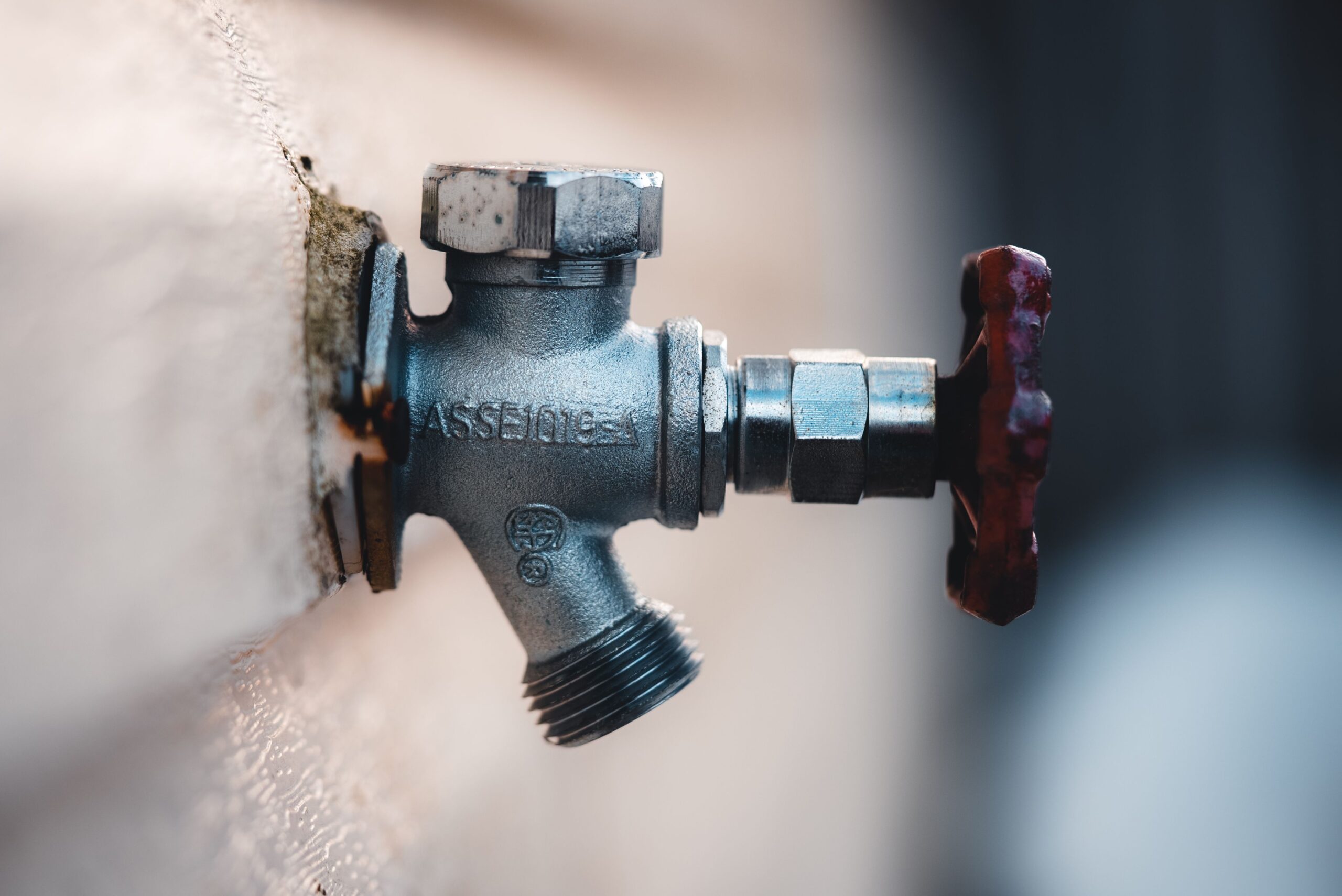
Spring is a useful time to inspect the home after cold weather and before outdoor water use increases. Check outdoor faucets for cracks, drips, or weak flow before attaching a hose. Replace worn hose washers, tighten connections by hand, and watch for leakage at the wall connection after turning the water on.
- Test a sump pump before heavy-rain periods by following the manufacturer’s instructions.
- Inspect visible pipes for corrosion, residue, or signs of previous moisture.
- Clean faucet aerators and showerhead screens if mineral buildup affects flow.
- Review recent water bills for changes that cannot be explained by seasonal use.
- Check irrigation components for damaged lines, clogged emitters, or water spraying onto paved areas.
Summer Plumbing Tasks
More showers, laundry, houseguests, gardening, and outdoor activities can increase demand on household plumbing during summer. Pay attention to drains that slow down after busy weekends, and inspect the refrigerator or ice maker supply lines for moisture, and secure any loose connections.
- Run water briefly in rarely used sinks, tubs, or floor drains to help keep trap seals from drying out.
- Use drain screens in showers and sinks to catch hair and food debris.
- Operate and clean a garbage disposal only as directed by its manufacturer.
- Keep grease, coffee grounds, paint, wipes, and other unsuitable materials out of drains.
- Check hose connections and irrigation zones for leaks during normal operation.
Fall Plumbing Tasks
Before freezing weather arrives, disconnect outdoor hoses and drain them for storage. If the home has exterior shutoff valves or irrigation equipment, follow the relevant manufacturer’s instructions for seasonal shutdown. Indoors, clear accessible drain strainers and inspect toilets and kitchen drains before holiday gatherings, as they place extra demand on them. Fall is also a good time to look at pipes in garages, utility rooms, crawl spaces, and other unheated areas. Make sure household members know where the main shutoff valve is located and can reach it without having to move heavy items.
Winter Plumbing Tasks
Cold-weather precautions depend on local conditions, but exposed pipes are generally more vulnerable during freezing temperatures. Keep indoor temperatures steady, and open cabinet doors when necessary to let warmer room air reach plumbing beneath sinks. Never use an open flame to thaw a pipe.
- Watch for reduced water pressure, frost on exposed piping, or unusual noises.
- Know how to turn off the main supply if a pipe bursts or a major leak develops.
- Check vulnerable areas after an extended cold snap.
- Address water near electrical equipment cautiously, and avoid contact until the area is safe.
How To Check For Hidden Leaks
A water meter check can help confirm whether water is being used when it should not be. Turn off faucets, irrigation, and water-using appliances, then record the meter reading. Avoid using water for a set period, such as two hours, and compare the reading again. A change may indicate a leak somewhere in the system. Next, inspect toilets, supply lines, cabinets, appliance connections, and the space around the water heater. Comparing the current bill to the same period in the previous year can also reveal changes in typical use. The EPA’s home maintenance guidance includes practical steps for checking for leaks in toilets, faucets, and water-using fixtures.
Water Heater Care
Because a water heater operates every day, it deserves regular attention. Look for rust, puddles, corrosion, or moisture around the tank, pipes, and connections. Changes in hot-water availability, as well as popping, banging, or rumbling sounds, are worth noting. Keep the area around the unit clear, follow the manufacturer’s service directions, and leave gas, electrical, pressure-relief, and internal tank work to a qualified professional.
Drain And Toilet Care
Repeated clogs, gurgling sounds, persistent odors, or water backing up in another fixture can indicate a problem beyond a single drain. Start with simple prevention, including screens, regular removal of visible debris, and proper disposal habits. Avoid treating harsh chemical drain products as the first response, particularly when the cause of a blockage is unknown.
When To Call A Professional
Some problems require prompt professional attention rather than a routine do-it-yourself repair. Shut off water when it is safe to do so, move valuables away from the affected area, and avoid opening walls or handling gas and electrical components without appropriate training.
- A burst pipe or fast-moving leak.
- Water near outlets, appliances, or an electrical panel.
- A sewer odor that repeatedly returns.
- Multiple slow drains or backups at the same time.
- Low pressure throughout the home.
- Water stains on ceilings, walls, or flooring.
- A leaking, overheating, or unusually noisy water heater.
- A main shutoff valve that does not operate.
A Simple Year-Round Checklist
- Every month: Check under sinks, toilets, faucets, hoses, and the water meter.
- Every season: Inspect outdoor fixtures, exposed pipes, drains, and water-use patterns.
- Once a year: Review the water heater, shutoff access, past leaks, and fixture condition.
- Anytime: Act quickly on water damage, sewer odors, pressure changes, or recurring clogs.
Household maintenance does not need to take an entire weekend. A few focused checks each month can make changes easier to spot and help prevent wasted water. The EPA’s water-saving tips can also help households reduce unnecessary use while maintaining fixtures throughout the year.
Conclusion
A practical plumbing maintenance routine does not have to be complicated or time-consuming. Short monthly checks, seasonal inspections, and a yearly review can help homeowners identify leaks, corrosion, clogs, pressure changes, and other warning signs before they become more disruptive problems. Keeping track of shutoff valves, fixture conditions, past repairs, and unusual water use also makes it easier to understand changes in the home’s plumbing system. Some tasks can be handled as routine maintenance, while issues involving major leaks, sewer backups, water heaters, electrical hazards, or widespread pressure problems may require professional attention. By making plumbing checks part of the regular household calendar, homeowners can protect their property, reduce unnecessary water waste, and keep essential plumbing systems operating more reliably throughout the year.