Key Takeaways
- Use desert-friendly plants, shade, and durable materials to create attractive, low-maintenance curb appeal.
- Prioritize irrigation, drainage, and functional outdoor spaces before adding decorative features.
- Choose improvements that enhance everyday living while supporting long-term home value and buyer appeal.
Arizona curb appeal is about more than adding color near the front door. In the Sonoran Desert, the strongest outdoor spaces balance shade, plant texture, durable materials, water awareness, and a layout that feels comfortable in daily life. For homeowners preparing to sell, these choices can also help a property look cared for, usable, and appropriate for its setting. For perspective on how presentation and neighborhood character connect to a home sale, homeowners can consult Paradise Valley, AZ, real estate agent Mary Chen. Mary Chen’s website offers home valuation, buying, selling, and neighborhood resources for Paradise Valley, Scottsdale, North Scottsdale, Arcadia, Phoenix, and nearby Arizona communities. With experience in luxury marketing and local residential real estate, she provides useful context for owners considering how exterior improvements may support a property’s overall appeal.
Why Arizona Curb Appeal Is Different
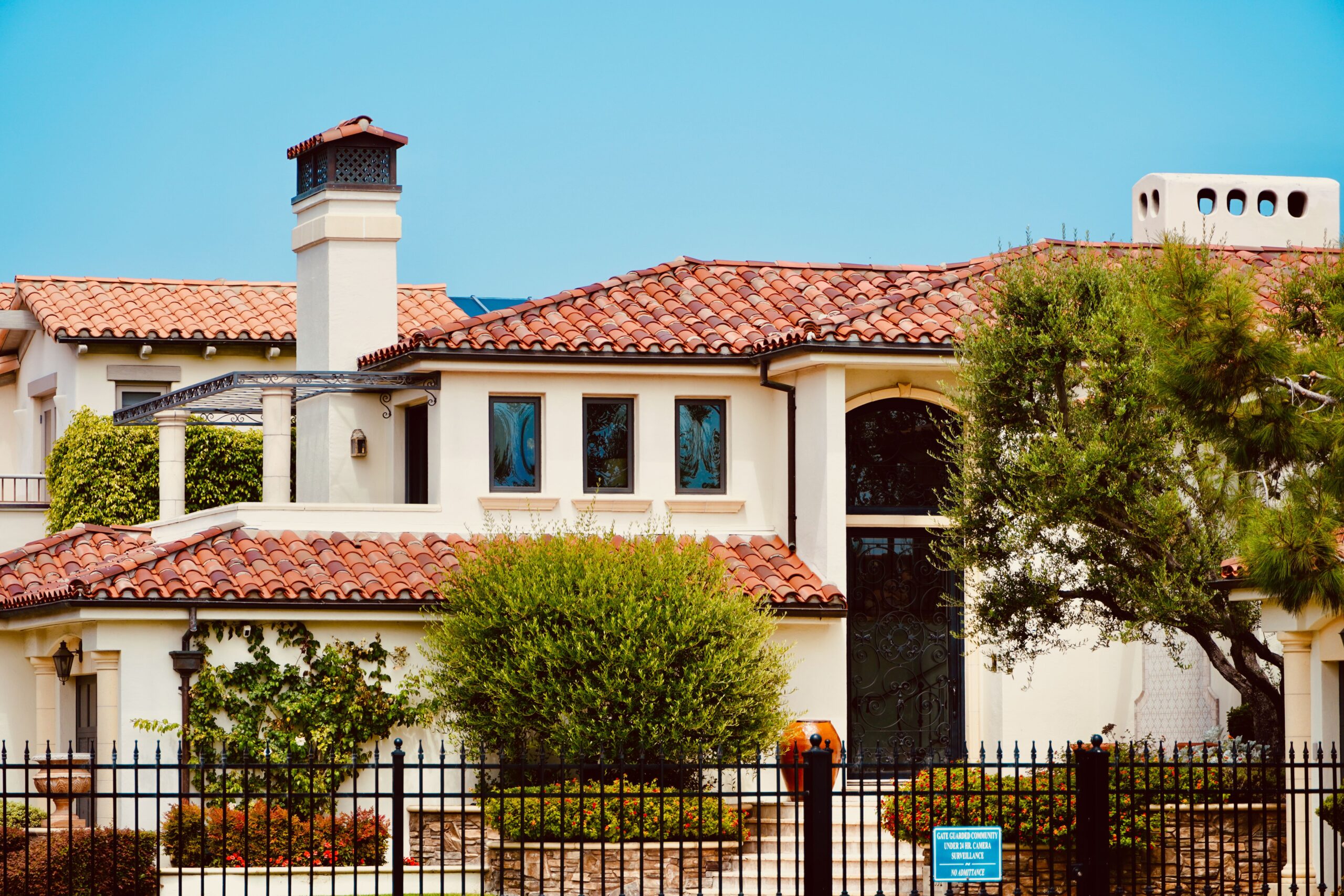
Heat, intense sunlight, dry air, monsoon runoff, and limited water all influence good landscape decisions. A lush lawn may be practical in a small play area, but it is not the only path to an inviting home. In Arizona, curb appeal often comes from layered desert plants, sculptural trees, clean gravel beds, natural stone, shaded walkways, and lighting that reveals architectural details after sunset. The best design also fits the home and neighborhood. A minimalist Scottsdale residence may suit crisp pavers and restrained planting. At the same time, a larger Paradise Valley property may have room for mature shade trees, broad entry paths, and outdoor gathering areas. Start with the property rather than trying to copy a trend from another climate.
Plan Before Buying Plants or Materials
A practical landscape plan prevents expensive do-overs. Before making changes, walk the property at different times of day and note the following:
- Morning and afternoon sun exposure, especially near west-facing walls and windows.
- Drainage paths, roof runoff, and areas that collect water during monsoon storms.
- Soil condition, irrigation coverage, and visible leaks or broken sprinkler heads.
- Existing trees, desirable views, utility lines, and entry sight lines.
- A realistic installation budget that includes future maintenance.
Address irrigation, drainage, failing plants, and unsafe walkways before adding decorative features. A small lot may need only a defined front path and a few well-placed plants, while a larger lot may benefit from a phased plan that tackles shade, hardscape, and planting in stages.
Choose Plants That Belong in the Desert
Native and desert-adapted plants are often better prepared for Arizona heat and low rainfall than plants selected only for a nursery display. Build visual interest in layers: canopy trees for shade, shrubs for structure, ground covers for softness, and seasonal accents for color. Group plants with similar water needs so irrigation is easier to manage. Shade trees deserve special attention near patios, entry walks, and sunny windows. Their eventual size matters as much as their appearance at planting time.
Rethink the Front Lawn and Prioritize Shade
Turf can be worthwhile where it has a clear purpose, such as a pet area, play space, or small seating lawn. Unused decorative grass, however, can add water use and maintenance without improving how the yard functions. A 1,000-square-foot winter lawn can require roughly 8,000 gallons of water in a season when overseeded, so homeowners should weigh its purpose carefully. Consider replacing a non-functional lawn with gravel, pavers, native planting, shaded beds, or a compact patio. Use clean edging between lawn, rock, and planting zones to keep the landscape polished. Before installing a new pergola, shade sail, covered patio, or other structure, check setbacks, permits, and HOA rules. Shade should look integrated with the home, not like an afterthought.
Use Hardscape to Create Outdoor Rooms
Hardscape gives a desert yard structure. Pavers, concrete, decomposed granite, and natural stone can define a front approach or create small zones for dining, grilling, conversation, and quiet seating. A clear walkway from the street to the front door also makes the home feel easier to navigate. Choose materials with heat, glare, and durability in mind. Pale surfaces may reduce heat absorption but can create glare, while dark finishes can become very hot in direct sun. Most importantly, plan grading carefully so water moves away from the home. A modest paved seating area with shade may provide more everyday value than a large decorative feature that demands constant upkeep.
Make Water Features and Lighting Practical
Water features can add sound and movement, but they should be sized for realistic maintenance. Recirculating fountains and pondless waterfalls are generally simpler than open ponds, while pools bring separate safety, cleaning, equipment, and evaporation considerations. Place a feature near a patio or seating area where people will actually enjoy it, rather than using it as a distant focal point. Outdoor lighting should be subtle and purposeful. Use path lights near steps, highlight a mature tree or textured wall, and select warm, low-glare fixtures. Timers or smart controls can limit energy use and reduce light spill toward neighbors. More fixtures do not necessarily yield better results.
Outdoor Improvements That May Help When Selling
Personal enjoyment and resale appeal are related, but they are not identical. Buyers commonly respond to outdoor areas that look maintained, comfortable, and easy to understand. The National Association of REALTORS® outdoor remodeling report also emphasizes the importance of curb appeal and homeowner satisfaction when evaluating exterior projects.
- A clean entry path and clearly visible front door.
- Healthy, properly pruned shade trees and mature plants.
- Functional patios with enough room for seating.
- Repaired irrigation, refreshed gravel, and stable pavers.
- Clear drainage routes and a landscape that does not appear difficult to maintain.
Common Mistakes to Avoid
- Copying a lush landscape designed for a wetter climate.
- Installing large expanses of artificial turf in full sun.
- Using only decorative rock, with little shade or plant variety.
- Planting trees too close to foundations, walls, or utility lines.
- Ignoring leaks, drainage issues, glare, or monsoon runoff.
- Blocking mountain views or spending the full budget without a maintenance plan.
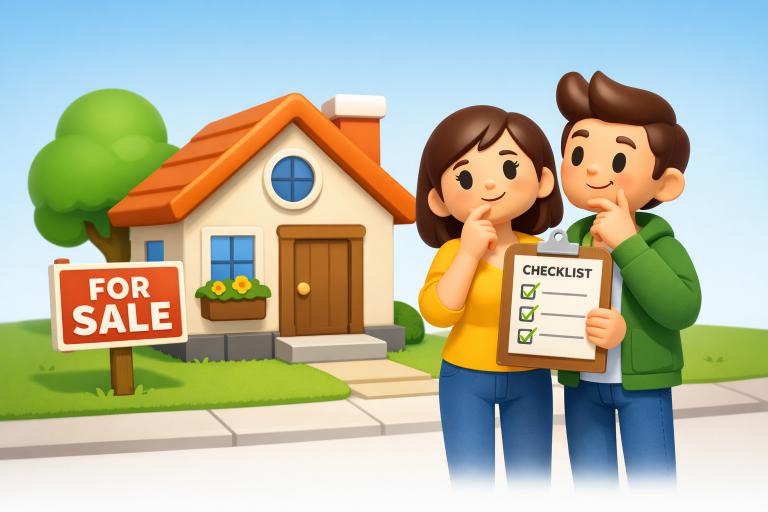
A Simple 2026 Outdoor Upgrade Checklist
- Repair irrigation and remove dead or overgrown material.
- Weed beds and refresh tired gravel or mulch.
- Add shade to the areas people use most often.
- Replace weak plants with desert-adapted selections.
- Improve entry paths, lighting, and drainage before adding major features.
- Confirm city and HOA requirements, then set maintenance expectations for every upgrade.
Frequently Asked Questions
Does desert landscaping lower a home’s appeal?
No. Thoughtful desert landscaping can look refined and welcoming when it includes plant variety, shade, clean spacing, and consistent maintenance.
Is artificial turf right for every Arizona yard?
No. It can work in smaller, functional areas, but large installations may become hot and visually heavy without trees, shade, and softer planting around them.
Can outdoor improvements increase resale value?
They may strengthen buyer interest and improve daily enjoyment, but no improvement guarantees a specific return. Location, condition, market timing, and project quality all matter.
Final Thought
The best Arizona curb appeal in 2026 is attractive, climate-aware, comfortable, and manageable over time. Focus on a plan that respects the lot, the desert setting, the home’s architecture, and the way the outdoor space will actually be used. Durable materials, drought-tolerant landscaping, efficient irrigation, and thoughtful shade features can improve both appearance and long-term maintenance. A balanced design not only enhances the home’s visual appeal but also creates an outdoor environment that remains functional, welcoming, and practical throughout the changing seasons.