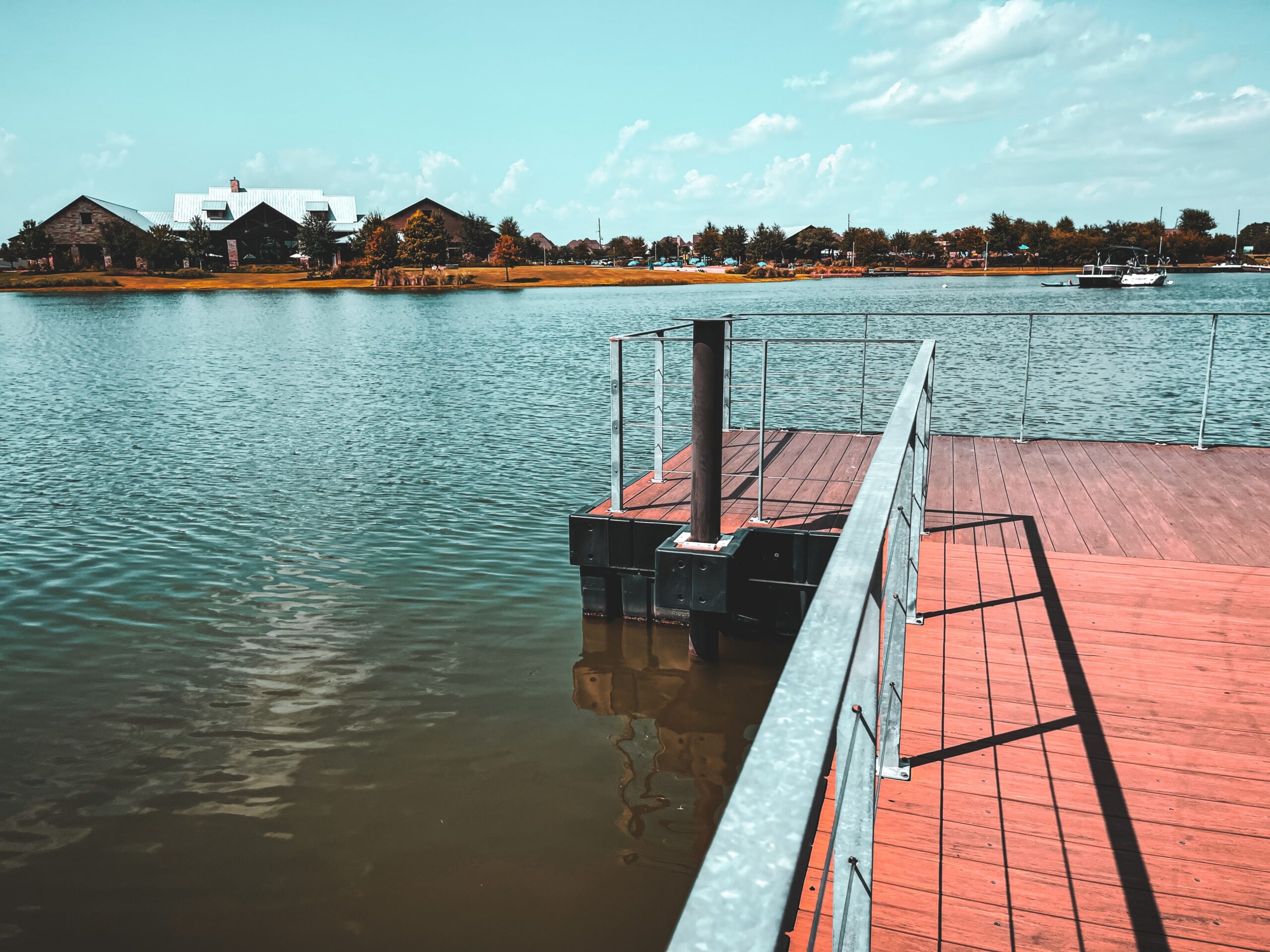
Warning signs often appear before a dock develops a serious failure, but early changes are easy to dismiss. Small shifts, soft boards, loose hardware, or uneven sections can point to deeper problems below the surface. Property owners searching for dock builders near me should know which changes deserve professional attention before repairs become larger and more expensive.
A Dock That Has Started Leaning, Sinking, or Sitting Unevenly
Visible changes in level are often the first clue that the support system is no longer carrying weight evenly. Pilings can shift, floats can lose buoyancy, anchors can move, and framing can sag after years of exposure to waves and changing water levels. Uneven sections also place extra strain on bolts, hinges, and connection points that were designed to share the load. Experienced boat dock builders can inspect the structure to determine whether the problem comes from the foundation, framing, flotation, or a combination of those parts. Early correction may prevent a small alignment issue from damaging the gangway, shoreline connection, or nearby seawall. Underwater scour can remove soil around fixed supports without creating an obvious problem above the deck. Hidden float damage can cause a similar tilt on floating systems as water enters a cracked or poorly sealed unit.
Loose Boards, Soft Spots, and Rusted Hardware Keep Coming Back
Repeated surface repairs often mean the trouble goes deeper than one worn board or loose screw. Wood framing may hold moisture around fasteners and hidden joints, while older metal parts can corrode where water stays trapped. Recurring movement underfoot may also indicate weakened cross members or supports below the deck.
Persistent hardware problems deserve the same attention. Bolts that loosen soon after tightening can point to excessive dock movement, worn holes, or connections that are no longer aligned. Skilled floating dock contractors look at why hardware keeps failing instead of replacing the same pieces again and again. On aluminum boat docks, they may also check for incompatible metals, damaged welds, or corrosion around high-stress joints. Galvanic corrosion can develop where certain dissimilar metals stay in electrical contact around water, so the correct washers, coatings, and fasteners matter.
Storms or High Water Have Changed the Way the Dock Moves
Major weather can alter a dock even when no section appears broken. High water may pull anchors out of position, strong wakes can twist framing, and floating systems can strike fixed structures with more force than usual. Changes in movement are worth checking if the dock suddenly sways farther, feels bouncier, or sits differently after a storm. Qualified floating dock contractors can examine anchor tension, guide systems, hinges, flotation, and shoreline attachments before normal use resumes. That inspection is especially useful after debris impacts or rapid water-level changes that may have stressed parts below the surface. Fresh gaps around brackets or new rubbing marks on piles can reveal movement that happened during the storm. Shore connections should also be checked because a displaced gangway can transfer unusual loads to concrete, retaining walls, or bank supports.
The Dock No Longer Fits the Boats or Activities Using It
Older docks often become awkward long before they become unsafe. Current use may involve a larger boat, more personal watercraft, heavier equipment, or more people than the original design expected. Added lifts, storage, furniture, roofs, and utilities can also change how weight is distributed across the frame. Extra load near one edge may lower freeboard and make boarding less comfortable, particularly on a floating design.
Crowded layouts create practical problems too. Narrow walkways, poor boarding angles, and badly placed slips can make everyday use harder and increase wear in a few high-traffic areas. Seasoned boat dock builders can determine whether the existing structure can be modified or whether replacement makes more sense. Owners comparing dock builders near me should explain how the waterfront is used today rather than asking for a copy of a layout that no longer works. Future plans matter as well, since space for a lift, kayak launch, or wider platform may be easier to build into one coordinated upgrade.
Repairs Are Becoming More Frequent Than Normal Maintenance
Frequent repairs can be a sign that the dock has reached the point where patching individual parts no longer solves the underlying issue. Replacing boards, tightening hardware, adjusting floats, and fixing damaged connections every season may cost more over time than rebuilding the problem section correctly. Age alone does not decide when replacement is needed, because installation quality, exposure, materials, and maintenance history all affect service life. Newer aluminum boat docks or updated floating systems may reduce some of the upkeep associated with aging wood structures.
When waterfront property owners notice warping wood, rusting frames, unstable anchoring, or shifting structural alignment, it is a clear sign that they may need experienced dock builders to step in. Bar H Solutions addresses critical warning signs by replacing deteriorating, hazardous structures with engineered, heavy-duty docking systems. Their team provides the advanced expertise required to permanently eliminate safety hazards.